Rave The Planet 2026: Berlin Turns the Streets Into a Dancefloor Again
Berlin · August 15, 2026
In some cities, electronic music is part of the cultural calendar. In Berlin, it is part of the city’s history.
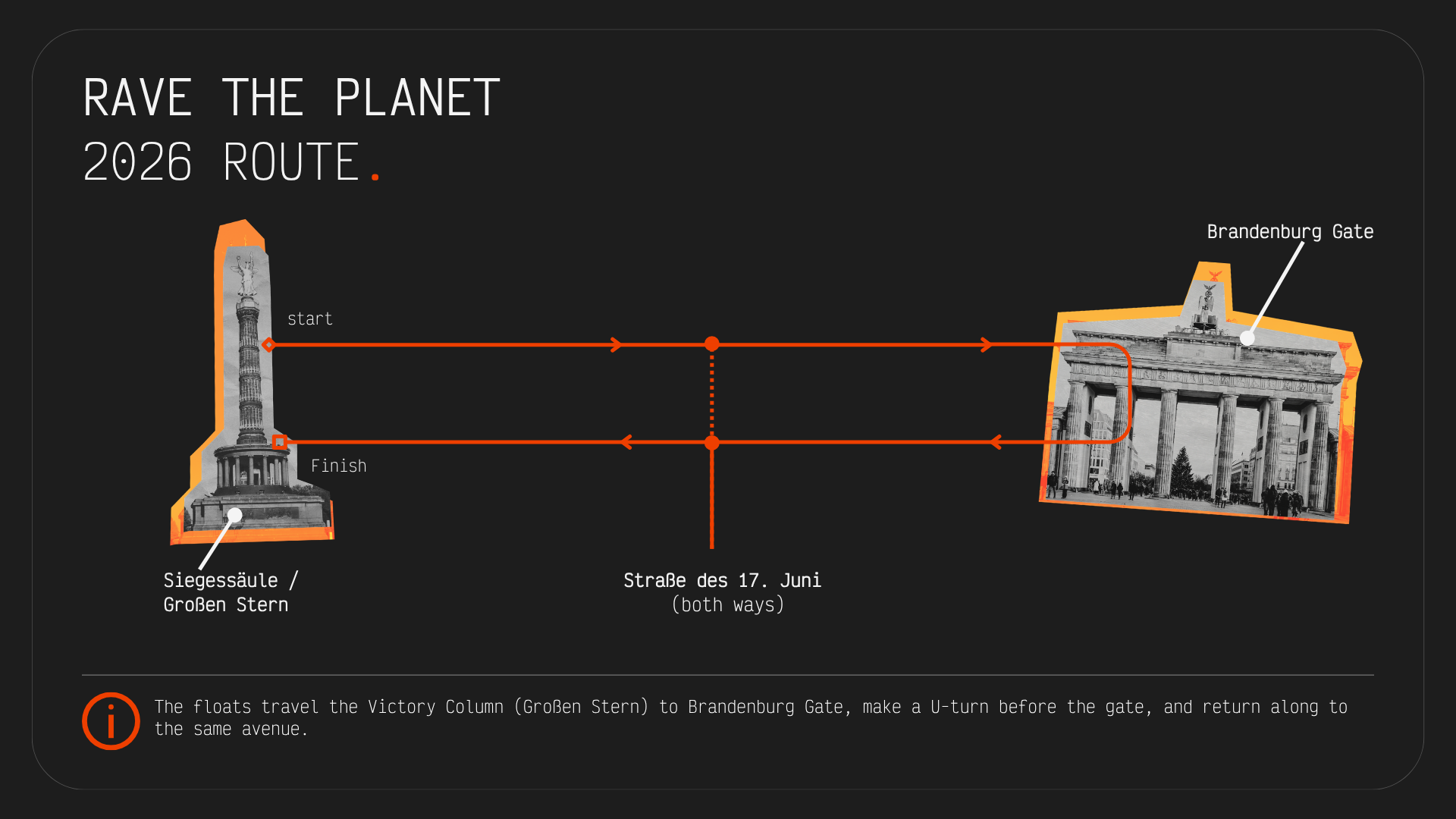
On August 15, 2026, Rave The Planet returns to Straße des 17. Juni, between the Brandenburg Gate and the Victory Column. The parade runs from 2 PM to 10 PM, is free to attend and brings together more than 300 artists, collectives, clubs and labels across a series of moving sound systems.
This year’s theme is Imagine Love. It may sound like a simple phrase for an event of this scale, but it connects directly to the parade’s origins. Rave The Planet is not presented as an ordinary festival. It is a political and cultural demonstration powered by electronic music.
The organization stands for peace, diversity, freedom, respect and the protection of cultural spaces. In practice, that means bringing thousands of people into central Berlin to remind the city that clubs, dancefloors, DJs and communities also belong to public life.
And Berlin knows exactly how much that history matters.
Before the Crowd
It all began on July 1, 1989, just a few months before the fall of the Berlin Wall.
That day, around 150 people joined the first Love Parade on Kurfürstendamm. Its motto was “Peace, Joy, Pancakes.” There was music, dancing and an idea that felt powerful in that moment: peacefully taking over the street and creating a place to meet in a city that was still divided.
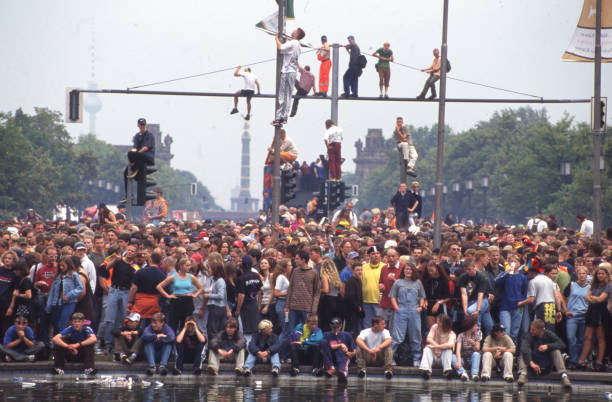
After the Wall came down, Berlin’s electronic music scene grew fast. Abandoned buildings, warehouses and former industrial spaces became improvised clubs. Young people from East and West began sharing the same dancefloors. In a city shaped by borders, music helped create a common language.
Clubs such as Tresor, E-Werk and Planet became part of this new cultural map. The Love Parade grew alongside the scene. In 1996, it moved to Straße des 17. Juni. Three years later, it attracted around 1.5 million people.
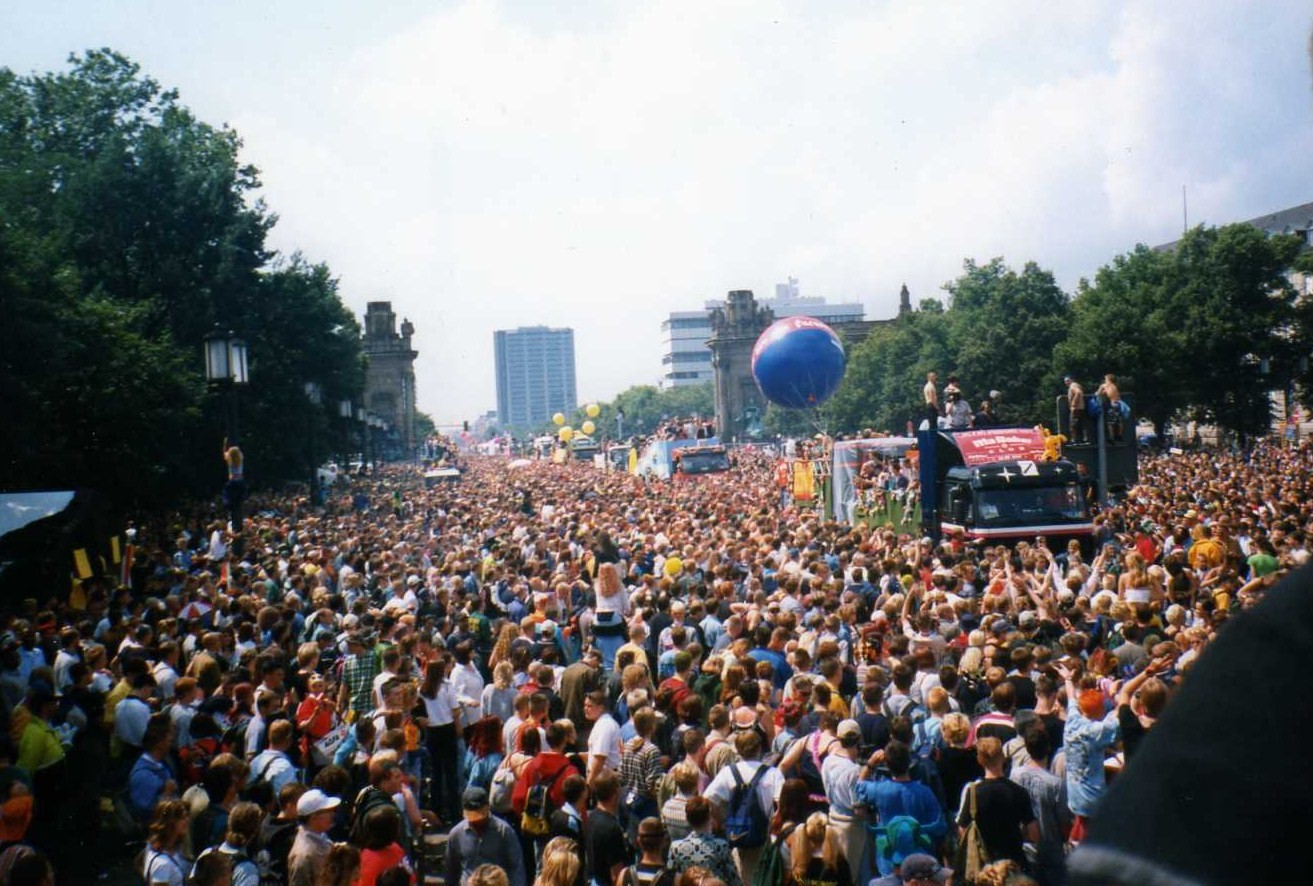
What began as a small demonstration became one of the most important symbols of electronic music worldwide.
The story also has a painful chapter. After leaving Berlin, the Love Parade came to an end in 2010 following the tragedy in Duisburg, where 21 people died and hundreds were injured.
Years later, Dr. Motte, founder of the original parade, helped create Rave The Planet. The project was built as a way to preserve that legacy without simply trying to recreate the past. Its goal is to continue defending electronic culture as a social movement, a cultural heritage and a space for freedom.
The Sound of the Parade
Techno plays a central role in this story, but Rave The Planet cannot be reduced to a single genre.
Along the route, the crowd will hear techno, acid techno, hard techno, house, deep house, tech house, trance, hard trance, electro, breakbeat, drum and bass, minimal, melodic techno, afro house, amapiano and other styles.
Each sound system has its own identity. Some are connected to clubs. Others represent collectives, labels or international communities. The result feels less like one main stage and more like a living map of contemporary electronic music.
Artists announced for 2026 include Dr. Motte, Westbam, Maceo Plex, Nicole Moudaber, Pan-Pot, Timo Maas, Hannah Laing, Bloody Mary, Gary Beck, Nakadia and Simina Grigoriu.
More than 300 artists will perform across eight hours. The scale is impressive, but the mix is what makes it interesting. Different generations, local scenes and different interpretations of electronic music share the same space.
Why Taking Over the Street Still Matters
Berlin remains one of the world’s main references for nightlife, but that does not mean its culture is secure.
Clubs face rising rents, real estate pressure, noise complaints and urban development that puts many spaces at risk. Some of the city’s most important venues have already closed. Others continue to operate under difficult conditions.
When Rave The Planet takes over one of Berlin’s most recognizable avenues, it brings this conversation into daylight. A culture that usually happens at night appears in front of monuments, tourists, residents and public institutions.
The street becomes a dancefloor, but it also becomes an argument.
Electronic music supports jobs, tourism, design, fashion, technology and the creative economy. Even so, its value cannot be measured only by the money it generates. Clubs and parties are also places of connection, experimentation and belonging.
For many people, this culture has offered a space to discover new ways of living, creating and relating to others.
ravetheplanet.com
Rave The Planet Parade 2026
Official line-up, route and event information.
Words by Mateus Witt.